Let's talk about numb
Desensitization happens quietly. You don't wake up one day and notice your clitoris has stopped responding. Instead, you realize that the thing that used to make you come in minutes now feels like pushing a button with no one home. The intensity gets turned up. The session gets longer. And somewhere along the way, pleasure starts feeling like work.
If this is you, here's the good news: desensitization isn't permanent, and it's not a sign that your capacity for pleasure is broken. It's a signal that your nerve endings have adapted to a stimulus pattern, and they need something different to wake back up.
What actually happens when sensation goes numb
Your clitoris has roughly 8,000 nerve endings packed into a structure the size of a pea. When you use the same stimulation method, the same intensity, and the same rhythm repeatedly, those nerves stop firing at the same rate. This isn't weakness. It's neurological adaptation. Your nervous system is literally saying: I've learned this pattern, I don't need to respond the same way anymore.
This is especially common if you've been using your own hand for years, or if you've relied on one specific toy at one specific setting. The tissue itself isn't damaged. The nerve pathways are just... quiet.
The other driver of desensitization is pressure and friction. Constant direct, intense rubbing can make the tissue less responsive over time, especially if there's little lubrication or if sessions are very long. Think of it like how your lips don't feel as soft after you've licked them a hundred times.
Hormonal changes, medications like SSRIs, and relationship stress can also flatten sensation. But let's assume for now that your desensitization is pattern-based, because that's the version we can actually fix.
Why a lemon vibrator works differently than what you've been doing
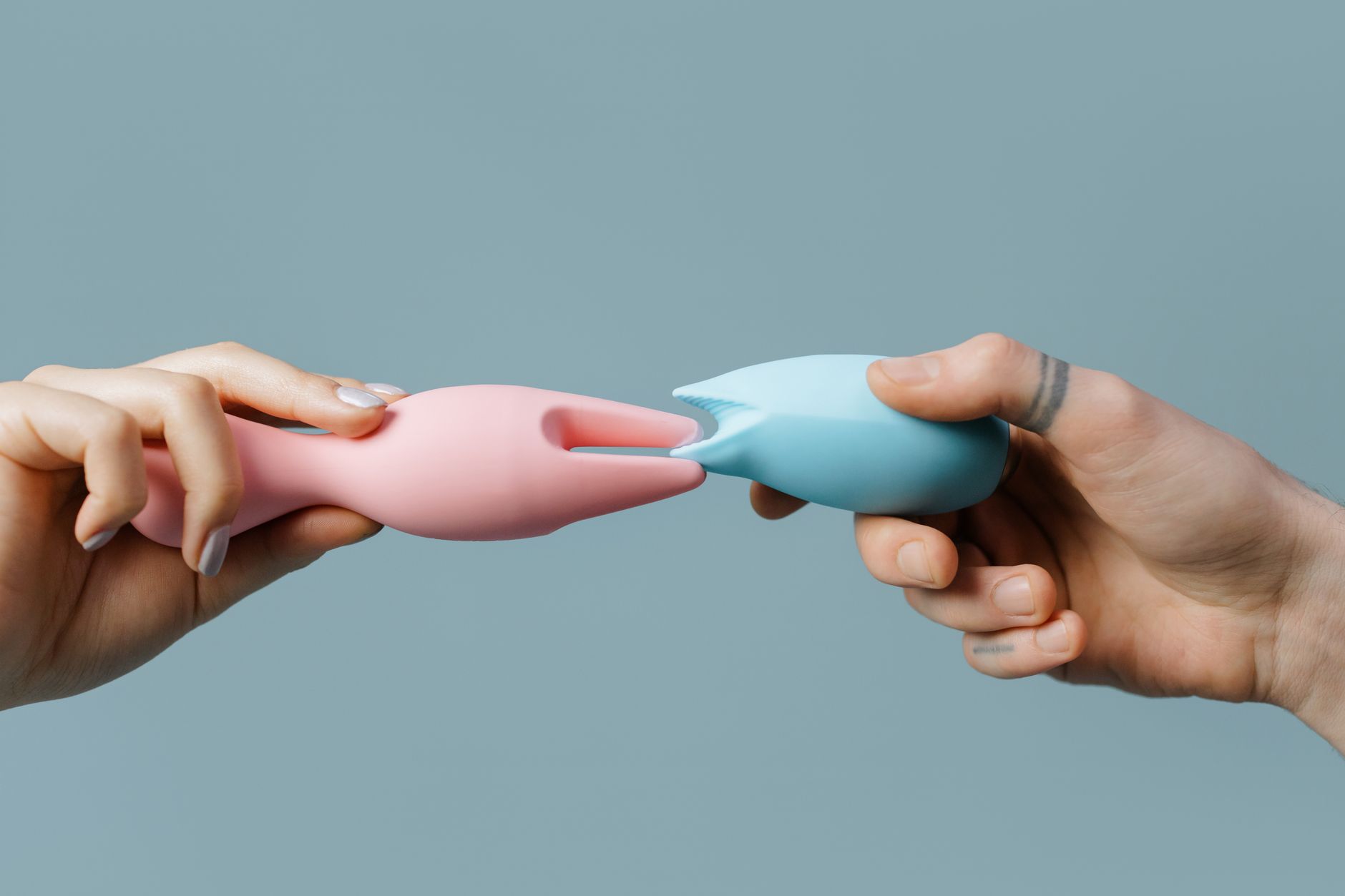
A lemon clitoral vibrator like the Lem uses air-pulse suction rather than direct vibration or friction. This matters because suction stimulates the tissue differently.
Instead of the clitoris getting hammered with the same repetitive motion, suction creates a gentle vacuum that engages deeper nerve clusters. It's like the difference between tapping someone on the shoulder repeatedly and gently squeezing their arm. Same general area, completely different sensation pathway.
The suction also means you don't need high pressure or long sessions to feel something. In fact, gentler intensity often works better when you're retraining numb tissue. The pattern is new, the sensation is new, and the lower intensity gives your nerves a chance to respond without being overwhelmed.
The retraining protocol that actually works
Think of this as sensation literacy. You're teaching your nervous system to recognize and respond to a different input. This takes patience, but it works.
Step 1: Start absurdly low.
If the Lem has settings 1 through 10, start at 1 or 2. Seriously. I know it feels too gentle. That's the point. You're looking for sensation, not orgasm yet. Spend three to five sessions just noticing what level 1 and 2 feel like. Can you feel any suction? Where do you feel it most? Does it change if you angle it differently?
This phase usually takes one to two weeks. Don't skip it. The goal is to rebuild the conversation between your nerve endings and your brain.
Step 2: Vary the pattern.
Once low intensity feels familiar, don't stay there. Move between settings 1, 2, and 3. Spend two minutes at one level, then switch. The variation forces your nervous system to pay attention instead of zoning out. Change the angle. Shift side to side slightly. Make it unpredictable.
This is the opposite of what made you numb in the first place. You're deliberately breaking the pattern.
Step 3: Build up slowly and deliberately.
Once you feel responsiveness returning at lower levels, you can increase intensity. But do it gradually. Spend three sessions at level 4, then move to 5. Notice when you start feeling that pull toward orgasm again. That's the signal that sensation is waking up.
Don't rush this phase. The point isn't to get to the highest setting. The point is to feel sensation at multiple levels.
Step 4: Keep sessions short and frequent.
When you were desensitized, you probably needed 20 or 30 minutes to come. Now, aim for 10 to 15 minute sessions. This prevents your nervous system from adapting again. Multiple shorter sessions a week beat one long marathon session.
What to avoid while you're retraining
Don't go back to your old method, even once. Even once. Even if you miss it. Every time you switch back to manual stimulation or your old toy, you're reinforcing the desensitized pattern. Your brain will preferentially respond to the familiar stimulus.
This is the hardest part, honestly. You have a muscle memory of what used to work, even if it doesn't work anymore. But retraining only happens if you stay consistent with the new approach.
Also avoid doing a "test run" with your old method to see if you're better. You're not better yet. You're in the middle of rewiring, and one session with the old pattern can set you back a week. The comparison is also demoralizing because sensation won't be the same yet.
Skip alcohol and weed during this retraining period if you can. Both flatten sensation temporarily, and you need all the feedback you can get right now.
The mental piece that actually matters
Desensitization often arrives with shame. You think something is wrong with you. You think you've broken your ability to feel pleasure. You think your partner might be bored with you because sex has become harder.
None of that is true. Desensitization is mechanical. It's not about desire or capacity or your worth as a sexual being. It's about stimulus adaptation, and that's something you can literally retrain in four to eight weeks.
The mental shift that helps most people is moving from "Why can't I feel anything?" to "What new sensation can I explore?" The lemon vibrator becomes a tool for discovery instead of a tool for chasing an orgasm that feels impossible.
Talk to your partner, if you have one, about what's happening. Not as a problem. As a project. "My nervous system adapted to a stimulus pattern, so I'm trying something new to reawaken sensation." Most partners find this interesting and want to be part of it.
When to see someone
If you're on antidepressants, talk to your doctor about whether the medication is flattening sensation or if it's the underlying desensitization pattern. Sometimes switching to a different SSRI or timing the dose differently helps. Sometimes the desensitization is separate.
If you've been retraining for eight weeks and sensation isn't improving, see a sex therapist. Desensitization usually responds well to this approach, but some people benefit from additional strategies.
If pain is part of the picture, that's a separate conversation for a gynecologist or pelvic floor specialist.
Otherwise, trust the process. Your nerve endings haven't forgotten how to feel. They've just gotten sleepy. A lemon clitoral vibrator wakes them back up.
People also ask
How long does it take to reverse clitoral desensitization?
Most people feel the difference in four to six weeks of consistent retraining. You'll notice sensation returning at lower intensities first, then gradually at higher ones. Complete restoration usually takes eight to twelve weeks. The timeline depends on how long you were desensitized and how consistently you change your stimulation pattern.
Can desensitization come back after I fix it?
Yes, if you go back to the same stimulus pattern. That's why varying your approach is important even after you've retrained. Mix methods. Use different intensities. Change your routine regularly. Think of it like your ear adapting to background noise. If the noise changes, you stay alert. If the noise stays exactly the same, you stop hearing it.
Is a lemon vibrator better than a regular vibrator for desensitization?
For desensitization specifically, yes. Suction engages different nerve pathways than direct vibration or friction. That novelty is what breaks the adaptation pattern. If you've been using a vibrating toy, switching to suction creates the kind of pattern disruption that actually fixes the problem. If you switched from one vibrator to another vibrator, you'd probably still feel numb because the fundamental stimulus is the same.
What if my partner pressures me to orgasm during retraining?
That's not supportive, and it will make retraining harder. Orgasm isn't the goal right now. Sensation is. If your partner can't get behind that, that's a relationship conversation, not a sensation problem. You might find how to use a lemon vibrator when your partner pressures you for faster orgasms helpful.
Can I use lube during retraining?
Absolutely. Water-based lube won't interfere with the suction, and it actually helps sensation by reducing friction and making the whole experience more comfortable. You want comfort during retraining so you can focus on what you're feeling, not on any discomfort.
Is desensitization the same as numbness from medication?
No. Medication-induced numbness is a systemic flattening of all sensation. Desensitization is specific to a repeated stimulus. With medication numbness, how to use a lemon vibrator when antidepressants numb your sensation covers the retraining approach specifically. The protocol is similar, but the underlying cause is different, and you might need to work with your doctor on the medication side too.
Desensitization feels permanent until you realize it isn't. Your clitoris is waiting to feel again, and it's waiting for something new. A lemon vibrator is the tool. You're the one doing the work. That combination brings sensation back faster than you probably think possible.