How to Use a Lemon Vibrator When Your Body Needs Extra Recovery Time
Your nervous system heals on its own timeline. Here's how to use a lemon sucker and clitoral vibrator to reconnect with pleasure without rushing the process.
Recovery from physical or emotional injury doesn't follow a calendar. Whether you're healing from surgery, managing chronic pain, processing trauma, or simply exhausted from too much stress, your nervous system needs time to reset. Pleasure doesn't disappear during this phase. It transforms. And it can actually support the healing process if you approach it gently and without pressure.
Here's the thing: most of us are taught that pleasure should feel the same as it always did, delivered at the same pace, with the same intensity. When it doesn't, we assume something's broken. It isn't. Your body is being intelligent. It's protecting itself while it heals.
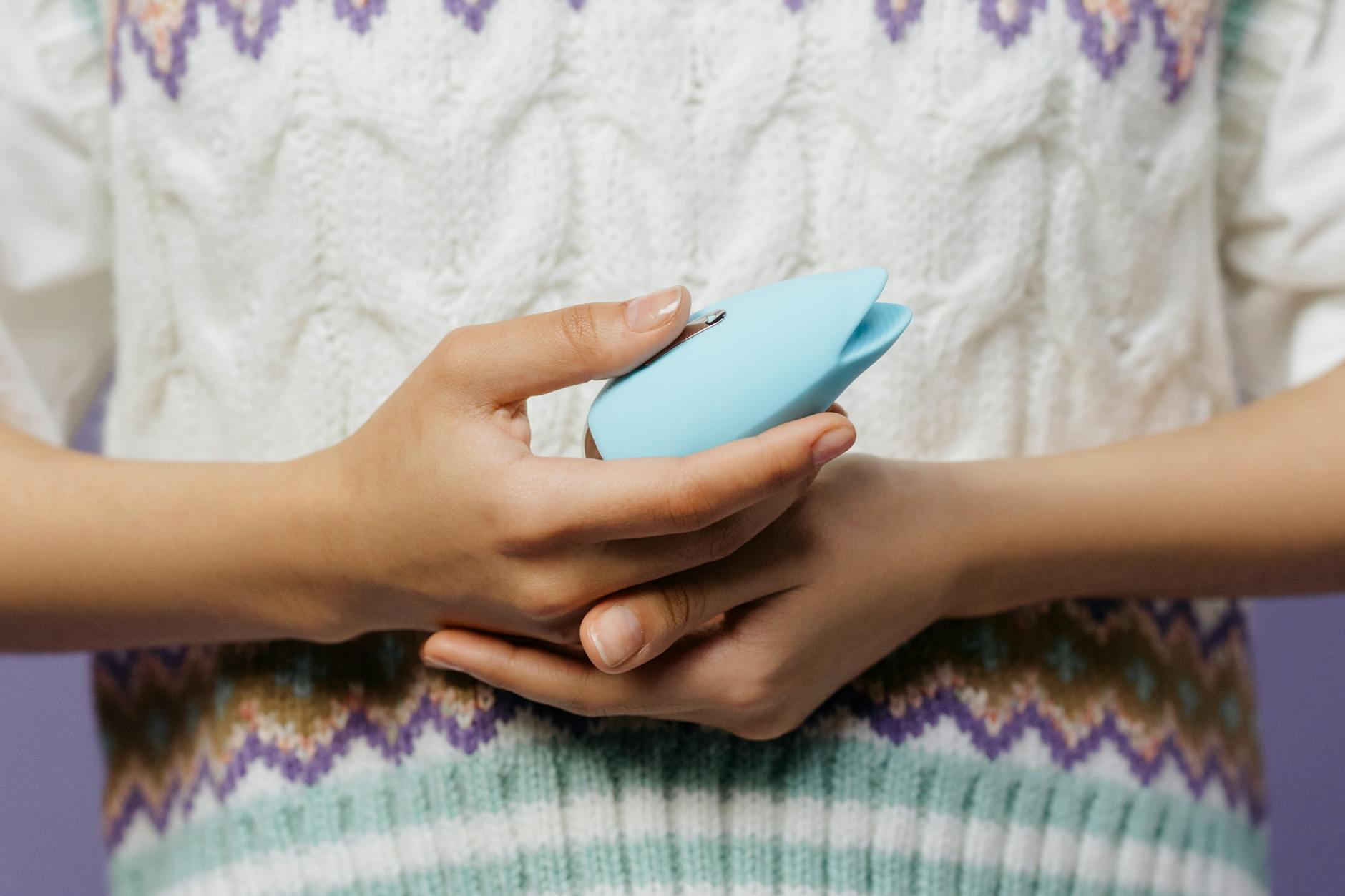
A lemon vibrator, specifically the suction-based design that defines the Lem, offers something traditional vibrators don't during recovery. Instead of aggressive stimulation, it creates sustained, rhythmic pressure that doesn't demand rapid arousal or intense sensation. It's more like a conversation your body can join at its own pace.
Let me explain the physiology first, then the practical part.
When your body is recovering, your nervous system has limited bandwidth. Direct vibration requires your tissues to absorb a lot of mechanical energy. Suction, by contrast, works through rhythmic pressure and release. It stimulates the same nerve endings but without the fatigue factor. Think of it like the difference between high-intensity interval training and a long walk. Both move your body. One depletes you; the other restores.
The Lem uses air-pulse technology to create a gentle seal around the clitoris. Each pulse is predictable. Your nervous system can anticipate it. This predictability is actually crucial during recovery because it reduces the cognitive load of pleasure. Your brain doesn't have to figure out what's coming next. It can just settle.
Photo by FounderTips on Pexels
Another layer: during recovery, many people experience fluctuating sensitivity. Some days texture feels intolerable. Other days numbness returns. Suction's gentler approach handles both better than vibration. You're not fighting against your body's signals. You're working with them.
Recovery pleasure isn't about duration or intensity. It's about consistency and permission.
Start by naming what "recovery" means for you right now. Are you physical healing from something? Emotional? Both? The answer changes what boundaries matter. If you're recovering from surgery, your body may need weeks before any genital stimulation feels safe. If you're recovering from burnout or relationship conflict, the boundary is often psychological. Your nervous system is in a vigilant state. That takes priority.
Once you know the boundary, communicate it to yourself first. Out loud if it helps. Something like: "I'm using this device for 10 minutes, once a day, and I'm stopping whenever I feel tired." Not because pleasure has limits, but because rest is part of recovery.
Many people worry this will feel restrictive. Actually, it's the opposite. Removing the pressure to perform (for a partner, for yourself, for some imagined standard) often makes pleasure feel more accessible than it has in years.
When your body is healing, context matters more than technique.
Choose a time when you're rested, not depleted. For most people, this means morning or mid-afternoon, not late evening when fatigue is highest. Your nervous system recovers during sleep. You want to tap into pleasure when that system has just had a chance to reset.
Also choose a time when you're alone or with someone who understands the pace. If a partner is present, they should understand this is a solo exploration right now. Not because they're excluded indefinitely, but because your nervous system needs to rebuild its own capacity first. Solo practice with a lemon clitoral vibrator teaches your body that pleasure is safe and self-generated. That foundation matters.
The duration should feel short at first. Five to ten minutes maximum. This isn't because orgasm takes longer during recovery, but because your nervous system exhausts faster. Think of it like PT after an injury. You don't rebuild strength by pushing hard one day. You rebuild it by showing up consistently, gently, and stopping before you hurt.
The Lem has multiple suction intensities. During recovery, you're starting low.
Pattern one or two feels like a very gentle kiss. Pattern three feels like sustained pressure. Patterns four through seven escalate from there. During early recovery, live in patterns one and two. Spend entire sessions here. Your nervous system doesn't know it's "supposed" to want intensity. It knows what feels safe. Trust that.
As weeks pass, you'll notice shifts. Maybe pattern two suddenly feels natural instead of cautious. Maybe you want to try pattern three for part of a session. These shifts happen organically if you're not forcing them. The mistake people make is pushing to higher patterns because they think they "should." Your recovery timeline isn't a checklist.
One more thing: if a pattern feels too much, go back down immediately. There's no failing here. You're learning your body's language again. Every adjustment is information, not a step backward.
Honestly? It looks different than you might expect, and that's exactly right.
Orgasm might not happen. That's fine. Pleasure isn't a destination. During recovery, pleasure is the warmth of your body relaxing into sensation, the moment when your nervous system stops scanning for threats and settles into this moment. It's the satisfaction of finishing a session feeling nourished instead of depleted.
Some recovered people describe their first post-recovery orgasms as quieter than before. Less explosive, more integrated. Others say they're more intense because they're not fighting against a defended nervous system. Both are normal. Your body isn't broken. It's recalibrating.
What often surprises people is how much mental clarity comes with gentler pleasure. When you're not chasing intensity, your mind gets space to be present. Presence, it turns out, is its own kind of pleasure.
If numbness persists after several weeks of gentle practice, that's worth exploring separately. Sometimes numbness is protective for longer than we expect. Sometimes it signals something else that needs attention.
Once your solo practice feels stable, bringing a partner back in requires the same clarity.
Start by telling them exactly what you discovered solo. "Pattern two feels right for now." "I can do about ten minutes." "I need to stop when I ask to stop, no negotiation." Partners who understand recovery appreciate this specificity because it removes guessing.
The first partnered session shouldn't be about anything other than presence. They hold the device if you want, or they're just nearby. You're teaching your nervous system that pleasure with someone present is still safe. That takes sessions, not one night.
As you recover further, communication about pacing becomes essential because partners sometimes move faster than your body's ready for, not from malice but from eagerness. Remind them: healing that feels rushed isn't healing.
There's no standard timeline. Physical recovery from surgery might take 4-8 weeks before genital stimulation feels safe. Emotional recovery from trauma or relationship breakdown can take months or longer. Your body will tell you when it's ready for more intensity if you listen. The mistake is comparing your timeline to someone else's.
Can I use a lemon vibrator while I'm still in acute pain?
No. If you're in active pain from surgery or an acute condition, wait until your doctor clears any sexual activity. Once cleared, start gently. If pain appears during use, stop immediately. Pain is always information. It means your body needs more time.
What if I feel guilty about "slowing down" pleasure?
That guilt is worth examining. Pleasure isn't a race. There's no prize for getting back to intensity the fastest. In fact, people who allow themselves a genuine recovery phase often report deeper satisfaction when they return to fuller pleasure later. Recovery isn't setback. It's foundation-building.
Should I tell my partner I'm using a lemon vibrator during recovery?
That depends on your relationship style. If you're rebuilding intimacy together, transparency helps. If you need space to rebuild trust in your own body first, solo exploration is valid. There's no single right answer, but honesty about your own needs matters more than the specific choice you make.
Can suction feel too intense during recovery?
Absolutely. If every pattern on a lemon vibrator feels too much, that's information. It might mean your nervous system needs more time before any genital stimulation. Or it might mean you need something even gentler, like manual touch or no direct clitoral contact for now. Listen to that signal. Respect it.
Is it normal for sensation to feel muted even on higher patterns?
Yes. During recovery, your nervous system's pain-sensing pathways are active and your pleasure-sensing pathways are quieter. This isn't permanent. It's protective. As your recovery deepens, sensation often returns in an unexpected order. Trust the process. Some specific recovery situations have their own timelines and techniques.
Recovery isn't weakness. It's exactly what you're supposed to be doing right now. A lemon vibrator, with its gentle sustained pressure and predictable rhythms, can be part of that process if you use it as a tool for reconnection rather than a return to where you were before.
Your body will tell you when it's ready for more. Until then, patterns one and two are not a failure. They're where the real work lives.
When you're ready to talk through your specific situation or need support navigating recovery, we're here to help.