Sex hurts after childbirth. For a lot of people. And nobody warns you about it the way they should. You'll hear "six weeks and you're cleared," which is nonsense. Medical clearance is not the same as being ready. Cleared means your tear or incision has closed enough that bleeding has stopped. Ready means your pelvic floor has recovered, scar tissue has softened, lubrication has returned, and mentally you want your body touched again. Those are different timelines.
The pain people experience postpartum falls into a few categories. Some feel like sharp stinging around the scar. Some feels like deep pressure that never resolves. Some feels like the muscles are too tight to allow anything inside. Most people report that what used to feel good now feels wrong. The good news: this is temporary, manageable, and often responds beautifully to the right approach.
This is where clitoral stimulation without penetration becomes your secret weapon.
Your pelvic floor muscles have been through something. Whether you had a vaginal tear, an episiotomy, a cesarean scar, or just the accumulated stretching of pregnancy, the tissue needs time to remodel. Scar tissue is firmer than native tissue. It takes months for collagen to reorganize and soften. In the meantime, penetration triggers a protective tension response. Your body is trying to guard an area that still feels vulnerable.
Lubrication also takes time to normalize postpartum. If you're breastfeeding, your estrogen is lower, which means less vaginal lubrication. If you're not breastfeeding, hormones are still chaotic as your body recalibrates. On top of that, you're exhausted, touched out, sleep-deprived, and probably touched out from a baby or toddler. Your nervous system is primed for protection, not pleasure.
Clitoral vibration bypasses all of this. You get stimulation and sensation without any pressure on healing tissue, scar sites, or areas that feel raw.
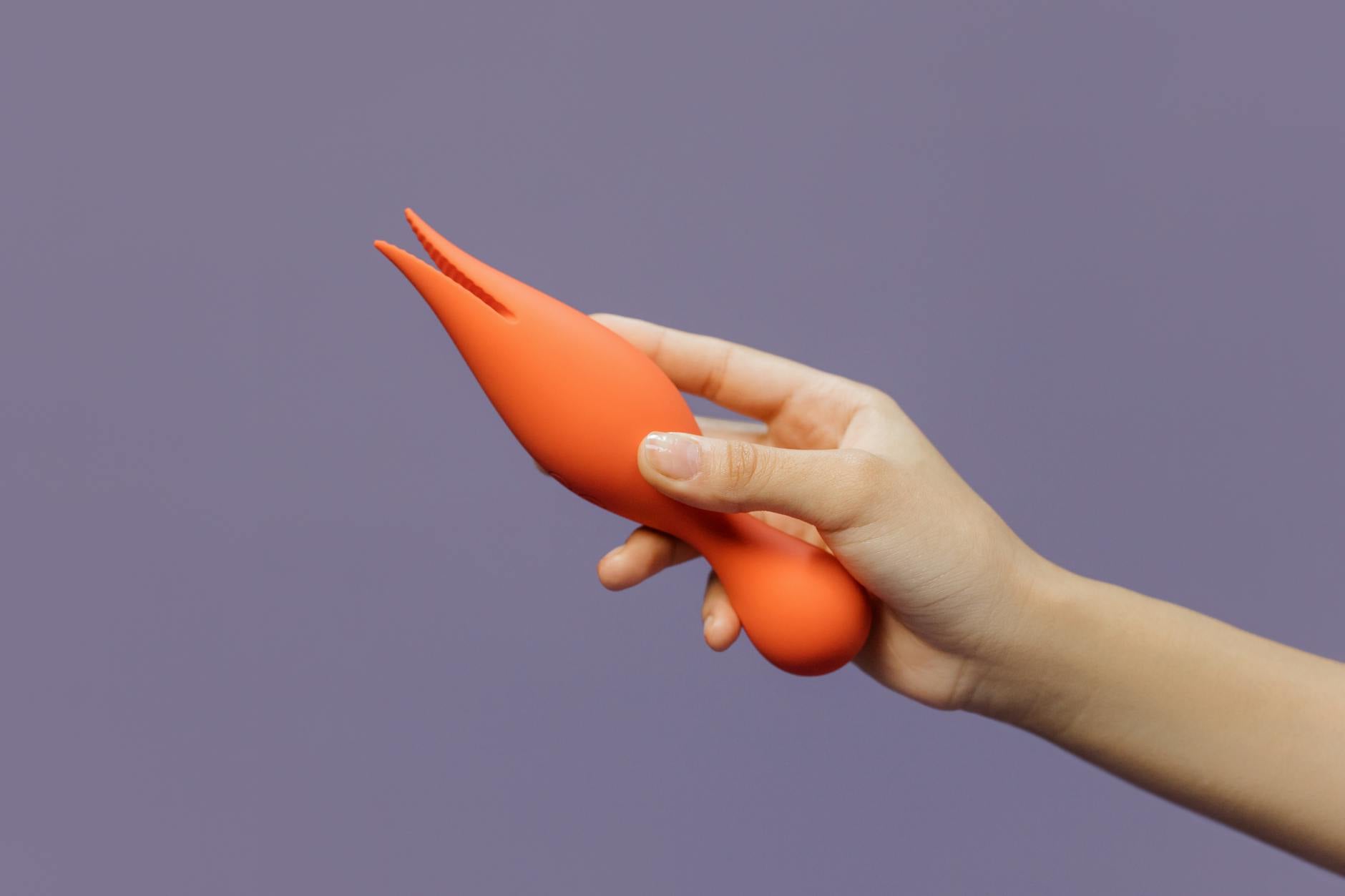
Clitoral tissue is remarkably resilient. It has its own nerve network, separate from the vaginal and internal pelvic tissue. Even if everything below feels fragile, your clitoris is usually ready to wake up long before your vagina is ready to accommodate anything inside. A lemon vibrator like the one Shop Lem Sex Toy makes uses suction and gentle pulsing, which stimulates the clitoris without direct friction that can feel overwhelming on oversensitive skin.
Why suction works better than vibration alone for postpartum bodies: suction creates a gentle pulling sensation rather than rapid micro-movements. This feels less jarring on sensitive tissue. It also tends to create a more rounded, diffused sensation rather than a sharp peak. For people whose nervous systems are still in protection mode, this feels safer.
Most healthcare providers give the six-week all-clear for bleeding to have stopped. Pain during sex is not a sign you need to wait longer. It's a sign you need a different approach. If you have active pain, swelling, or discharge that smells or looks off, talk to your OB or midwife. But normal postpartum pain during penetration often improves faster when you're gently stimulated in ways that don't trigger the pain reflex.
The timeline looks like this: weeks 1-4, you're healing and rest. Weeks 4-8, light touch and external stimulation only. Weeks 8-12, you might try clitoral vibration if you feel ready. Weeks 12+, most people can explore partnered sex or penetration again, though some need longer. Everyone is different.
Step 1: Build anticipation, not pressure. Spend a few days exploring your own body in non-sexual ways. Run water over your skin. Notice textures. This rebuilds your nervous system's trust that touch can be gentle and non-threatening. Your body has been in "survive and protect" mode for months.
Step 2: Choose a time when you're not touched out. This is crucial. If you've spent the entire day being touched by a baby, you might not have emotional capacity for more touch. Choose a window when you feel spacious, not depleted.
Step 3: Start with zero pressure. Turn the lemon vibrator on the lowest setting. Do not put it directly on your clitoris yet. Hover it nearby. Let your body remember that gentle vibration feels good. Some people need to do this for several sessions before moving closer.
Step 4: Build gradually. Only when it feels good to have it near, gently make contact. You're not going for orgasm. You're remapping the sensation: "Touch can feel good and I'm safe." This might take weeks. That's normal.
Step 5: Increase intensity only when you ask for it. Never push to a higher setting because you think you should. Your body sets the pace.
Physical pain is often tangled with emotional fear. You might be afraid the pain will come back. You might feel disconnected from your body. You might resent that your partner wants sex when you're still healing. These are all real, and they matter as much as the physical piece.
Talk to your partner about what you're actually feeling, separately from what your body is doing. "I'm not ready" is different from "I'm afraid." "I don't want to be touched" is different from "I want to be touched differently." Get specific. This protects both of you from misinterpreting what's happening.
If you're working with a partner, involve them gently. They can be in the room while you explore with your lemon vibrator. They can learn what your body needs. This rebuilds connection without pressure. Many couples find that this phase of careful, slow exploration actually deepens intimacy more than rushing back to what used to work.
If pain is sharp, doesn't improve after three months, or feels like it's worsening, talk to a pelvic floor physical therapist. This is not normal postpartum recovery. Pelvic floor PT can release tension, soften scar tissue, and teach you how to relax muscles that have locked in protection mode. It's surprisingly effective and not painful.
If you had significant tearing or complications during birth, your OB or midwife can assess scar tissue maturity and recommend treatment if needed. Sometimes a topical estrogen cream helps. Sometimes massage helps. Sometimes time is the answer. But you don't have to guess alone.
Postpartum pain during sex is not permanent. It's not a sign that your body is broken. It's a sign that your body is healing and needs patience. Clitoral vibrators like the ones Shop Lem Sex Toy offers give you a way to explore pleasure without triggering pain or vulnerability. They let you rebuild connection to your own body on your timeline.
Most people find that within six to nine months postpartum, sex stops hurting. Some take longer. That variation is completely normal. What matters is that you're not white-knuckling through pain or avoiding intimacy because you think you're supposed to be "healed" by now. You heal when you heal.
Use this window to rebuild. Use a lemon vibrator to stay connected to sensation. Be patient with your body. You've done something extraordinary. It deserves care.
Wait until bleeding has stopped and you have medical clearance (usually six weeks). But even after clearance, start gently. Begin with external clitoral stimulation at lowest intensity. Many people find that weeks 8-12 feels more realistic for actual vibrator use without pain.
If you've been medically cleared, gentle clitoral stimulation does not cause complications. Your clitoral tissue is separate from internal healing areas. However, if you experience sharp pain, increased swelling, or discharge changes, stop and contact your healthcare provider.
Yes. Suction creates a pulling sensation rather than micro-vibrations, which many people find gentler on sensitive postpartum tissue. It also tends to stimulate more broadly rather than directly, which feels less intense. Try both if you can, but suction often works better in early postpartum recovery.
Often yes. Rebuilding your own pleasure and trust in your body makes it much easier to reconnect with a partner. Solo exploration also helps you figure out what feels good now that your body has changed. This information is gold when you return to partnered sex. Plus, knowing you can access pleasure independently takes pressure off your partner to "make it work."
Talk to a pelvic floor physical therapist. They can assess whether tension or scar tissue is contributing to pain and teach you how to relax tight muscles. Many people find that a few sessions of PT transforms their ability to enjoy touch again. This is not a sign something is wrong with you. It's a sign your pelvic floor needs specific support.
Start by having honest conversations about timelines, fears, and what you both need. Explore clitoral pleasure solo first so you know what feels good. Once you're comfortable, invite your partner to be present without pressure. Many couples find that slow, non-penetrative touch during recovery actually builds deeper connection than rushing back to what used to work. You're learning each other's bodies again. That takes time.