How to Use a Lemon Vibrator When Your Partner Avoids Intimacy
When physical connection feels one-sided, reclaiming your own pleasure isn't selfish. It's survival. Here's how a lemon clitoral vibrator becomes your reset button.
Let's be real. You've probably asked for touch and been turned down enough times that you've stopped asking. Your partner avoids the bedroom conversation entirely. There's an ache in your chest that feels more real than any physical rejection because it's both at once. You're lonely inside the relationship, and you're starting to believe your own needs are somehow too much.
Here's what I need you to hear: your desire didn't disappear because something is wrong with you. It's still there, and a lemon vibrator can help you remember that.
When a partner consistently sidesteps physical intimacy, it's rarely about you not being attractive or worthy. Avoidance is usually about something happening inside them. Stress, depression, buried resentment, past trauma, medication side effects, or disconnection from their own body. But knowing that doesn't solve your problem. You still have a body. You still have desire. You still deserve to experience pleasure without guilt.
Solo exploration with a lemon clitoral vibrator isn't a replacement for partner intimacy. It's something entirely different. It's a way to tell yourself that your pleasure is non-negotiable, whether your partner is meeting you halfway or not.
My clients who are in avoidant partnerships often describe solo pleasure as a guilty indulgence. You might feel like you're doing something wrong, or worse, like you're betraying your partner by feeling good without them. That guilt is a trap.
Write this down if it helps: your pleasure belongs to you. Using a lemon vibrator while your partner avoids intimacy isn't an act of rejection toward them. It's an act of self-respect.
Start small. Set aside 20 minutes when you have the house to yourself. Lock the door. Put your phone on silent. You're not rushing toward an outcome. You're just checking in with your body and reminding it that sensation still feels good.
One of the mistakes I see people make is turning solo exploration into a silent protest. "I'll just pleasure myself since they won't touch me." That thought comes from a place of hurt, and it poisons the experience. Your lemon vibrator works best when you're not using it as a weapon against your partner, even an internal one.
Instead, frame it as reclamation. You're not waiting for permission anymore. You're not hoping they'll change their mind. You're simply honoring your own capacity for pleasure because it matters.
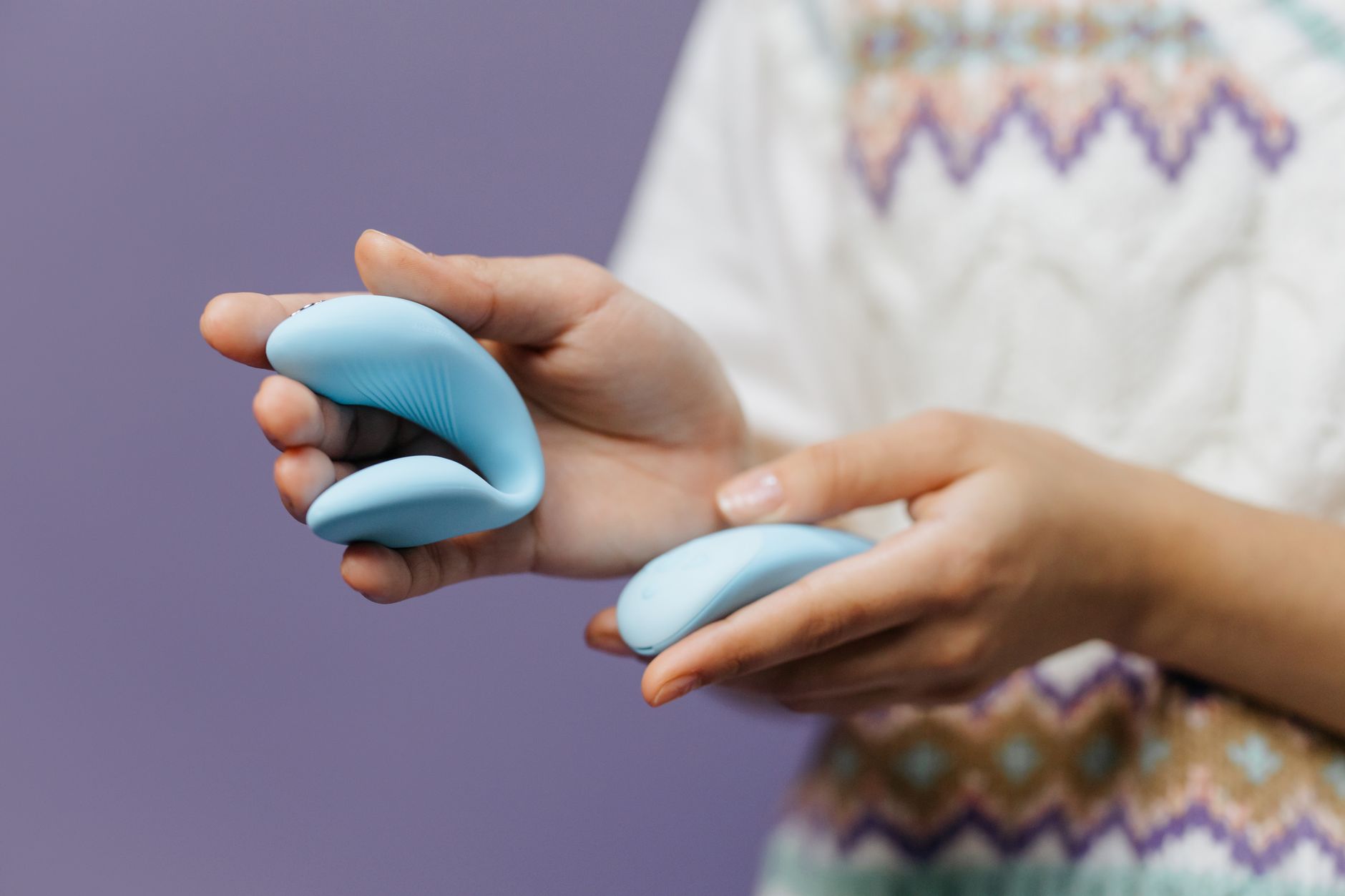
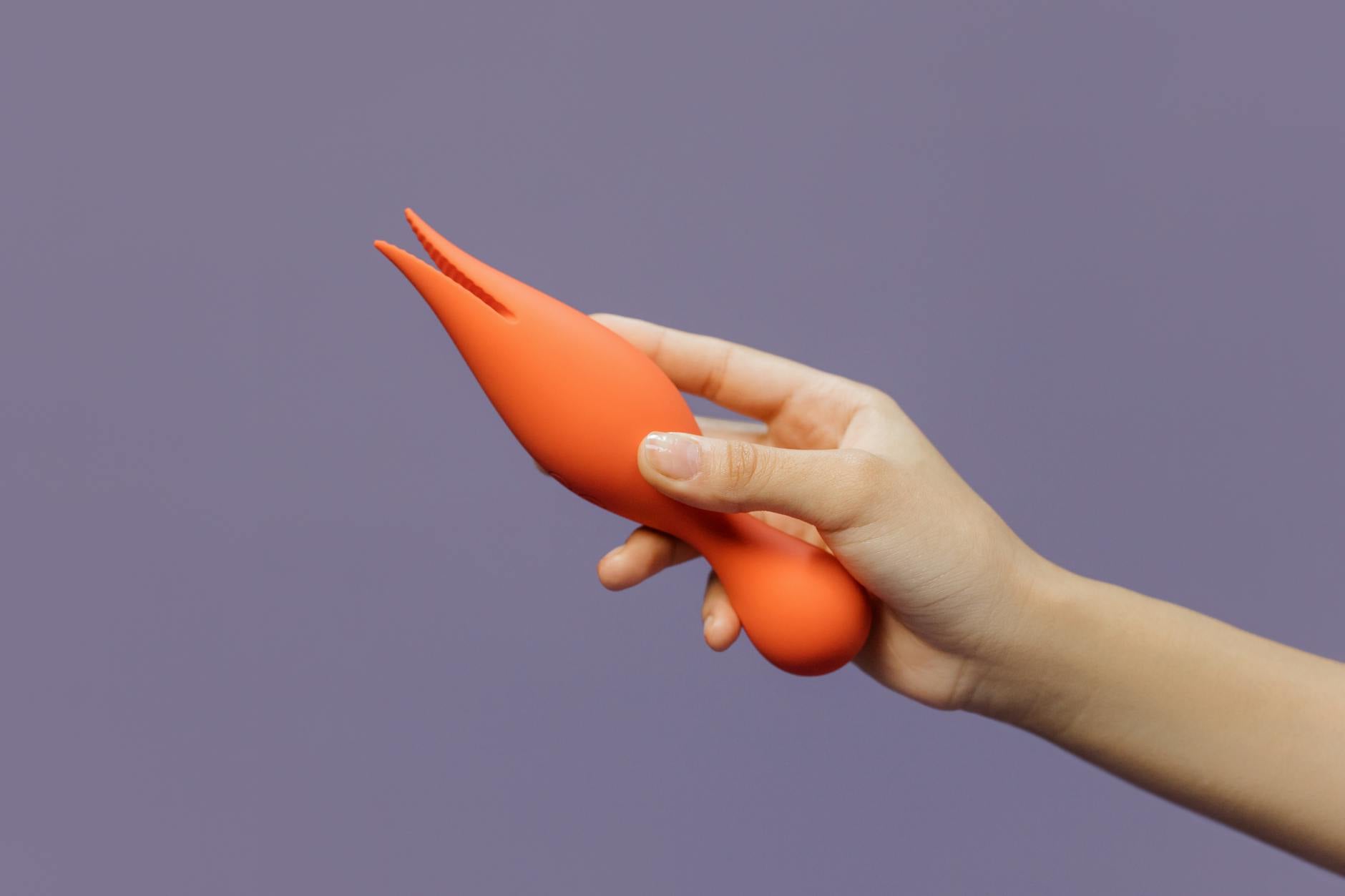
With a lemon clitoral vibrator, start on the lowest intensity setting. The suction design means you don't need aggressive vibration to feel results. Many people find that lower settings, held steady, actually create more satisfying sensation than chasing higher speeds. Spend time on patterns 1 and 2. Notice what your body likes. Notice what's different than what you remember.
If numbness or disconnection shows up, that's normal. Weeks or months of rejected advances can make your body feel distant from desire. Don't force it. A lemon vibrator works with patience, not against it. Some days you'll feel everything. Some days you'll feel almost nothing. Both are data points, not failures.
Using a lemon sexual toy while your partner avoids sex doesn't magically fix the underlying problem. But it does change your position in it. Suddenly you're not completely dependent on their willingness. That's a stronger place from which to have a difficult conversation.
If you want to attempt reconnection, you might say something like: "I've realized I can't wait for intimacy to happen to me anymore. I'm starting to explore pleasure on my own again, and I wanted you to know." You're not asking permission. You're informing them. You're also giving them information: this matters enough to you that you're doing something about it.
Some partners respond to this news with curiosity or even relief (pressure lifted). Some double down on avoidance. Either way, you're no longer abandoning yourself to accommodate their disconnection. That shift is real, and it changes the dynamic.
If your partner's avoidance is rooted in depression, trauma, or a medication side effect, they may need professional support. A therapist or sex therapist can help identify what's actually happening. Your pleasure practice doesn't replace that work, but it keeps you from drowning while they figure it out.
This isn't about hiding or shameful solo sessions. It's about practical integration. A lemon clitoral vibrator, like other adult toys from Shop Lem Sex Toy, deserves the same respectful storage as anything else in your home. Keep it charged. Keep it clean. Use it without apology.
You might find that regular solo exploration actually improves your sense of connection to yourself, which paradoxically can shift how you show up in your relationship. When you're no longer depleted by constant rejection, you might have more patience. Or you might realize the relationship itself needs to change. Either way, you're making decisions from a place of fullness rather than scarcity.
If your partner's intimacy avoidance is part of a larger pattern of emotional unavailability, control, or neglect, a lemon vibrator is a tool for you, not a solution for the relationship. You deserve a partner who wants to show up physically and emotionally. Solo pleasure can sustain you, but it shouldn't be your only option indefinitely.
Some relationships need couples therapy to address avoidance. Some need honest conversations about whether you're willing to stay. Some need professional sex therapy specifically designed to rebuild physical connection. A lemon clitoral vibrator supports your journey through any of those paths, but it doesn't replace them.
What I've noticed over years of working with couples is that people who reconnect with solo pleasure often feel less desperate in their partnerships. Desperation is unattractive and exhausting. It makes you cling harder. Contentment, even solo contentment, is magnetic. It says: "I know how to take care of myself." That changes everything.
Using a lemon vibrator when your partner avoids intimacy isn't about proving anything. It's about surviving the gap between what you need and what they're currently able to give. It's about remembering that your body is yours, and pleasure is your birthright, whether your partner participates or not.
Start this week. Thirty minutes. Your lemon clitoral vibrator. No judgment. No goal except to remember what it feels like when your body is honored. That remembering is where change begins.
Yes, it's incredibly common, especially if you've internalized the rejection as something you caused or deserve. But guilt is a learned response, not a truth. Your pleasure is separate from your partner's avoidance. One doesn't erase the other. If guilt persists, it might be worth exploring with a therapist whether your relationship dynamics are healthy overall.
Absolutely. When your body has been rejected repeatedly, sensation can feel muted or disconnected. A lemon vibrator's suction technology gently reawakens nerve endings without the pressure of performance. Many people find that solo exploration rekindled their sense of agency and desire, which ironically sometimes improved their interest in partnered intimacy too.
That depends on your partner and your relationship culture. Some couples are open and curious. Some are defensive. If you're hiding it out of shame, that's worth examining. If you're hiding it to avoid conflict, that's a different conversation about whether your relationship allows you to have needs. There's no universal right answer, but transparency usually beats secrecy long term.
No. In fact, the opposite is often true. Understanding what your body likes solo gives you information to share with a partner. It also shifts you from a passive receiver role to an active participant in your own pleasure. That usually enhances partnered experiences.
I recommend establishing your solo practice first. Spend two to four weeks reconnecting with your own pleasure. Then approach the conversation from a place of restored confidence, not desperation. You'll communicate differently. You'll also have clearer thoughts about what you actually need from your partner versus what you can sustainably handle alone.
That's beautiful if your partner is open to it. Some people find that the low-pressure entry point of watching or using a lemon clitoral vibrator together is easier than navigating traditional partnered sex, especially if avoidance stems from anxiety or performance pressure. But this only works if your partner is genuinely willing, not if you're using it to convince them. Pressure kills intimacy faster than anything else.
Your desire matters. Your body matters. And using a lemon vibrator to honor both of those things isn't a consolation prize. It's an act of radical self-respect in a relationship where you've been made to feel like your needs are too much.
If you're navigating the deeper relationship dynamics around intimacy avoidance, reach out. We can talk about whether this relationship is worth saving and how to have conversations that actually lead somewhere. You don't have to figure this out alone.