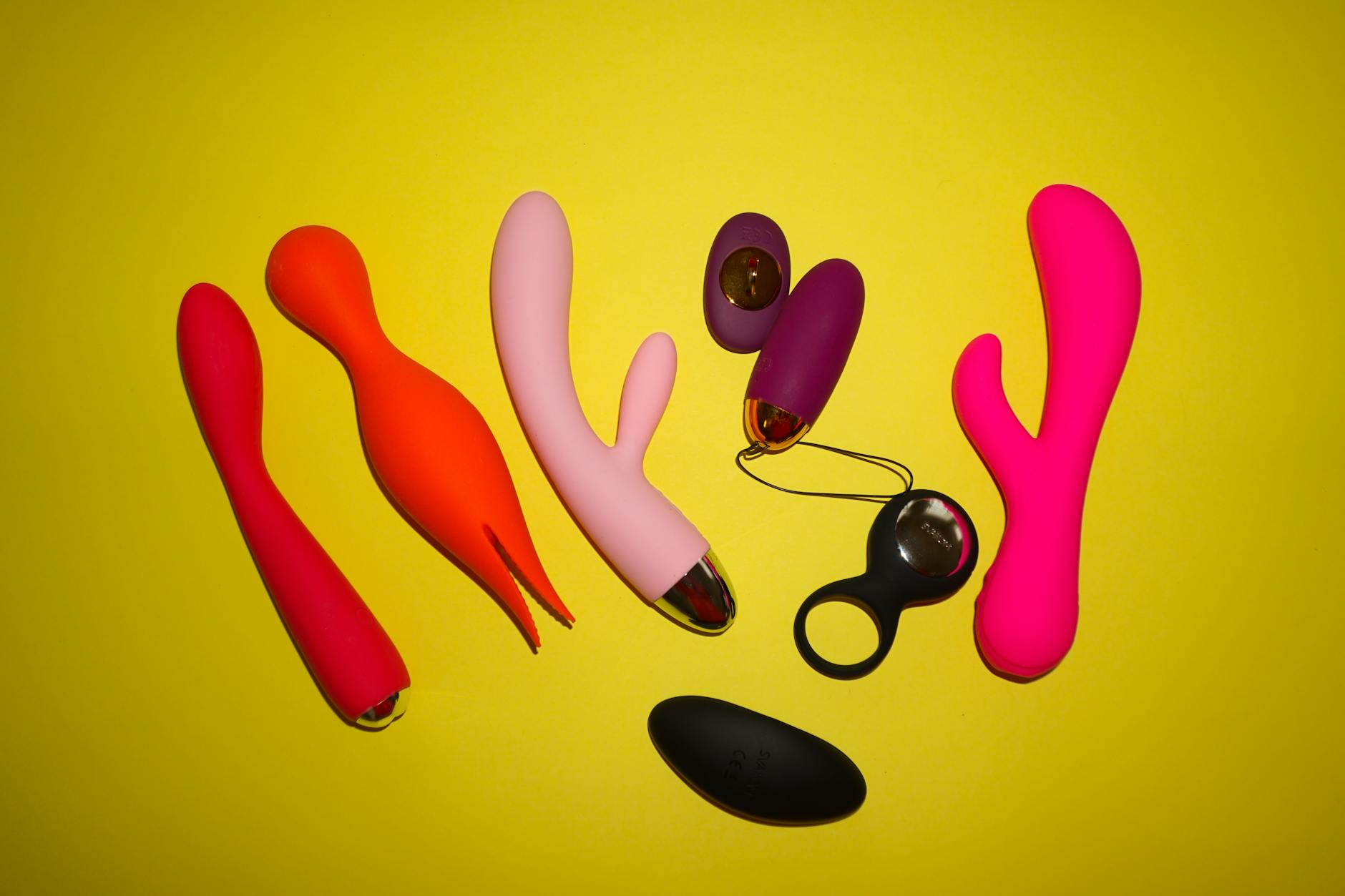
Libido doesn't vanish overnight. It slides. One day you realize you haven't thought about sex in weeks, and by the time you notice, the gap feels too wide to cross. Your partner might still want you, or you might want them, but the spark that used to be automatic now requires an intentional decision. And that decision feels harder because desire itself feels distant.
This isn't a personal failure. It's biology meeting life. After 40, testosterone production drops in everyone (yes, in people with vulvas too), estrogen fluctuates unpredictably, and cortisol from chronic stress tanks arousal before it even starts. Add in career pressure, aging parents, kids transitioning to independence, relationship routines that have calcified over two decades, and your body isn't sending the old signals anymore. The question isn't why your libido dropped. The question is how to rebuild it when it does.
A lemon clitoral vibrator, specifically, helps because it works with how your body changes rather than against it.
Hormonal shifts: Testosterone starts declining in your 30s and picks up speed after 40. This hormone fuels desire, not just in people with penises but in everyone. Lower testosterone means arousal takes longer to build and might not get as intense. Estrogen also becomes erratic if you're approaching menopause, which changes tissue sensitivity and lubrication. Neither of these changes is permanent, but ignoring them makes the problem feel permanent.
Life pressure: Your 40s are the peak earning decade for many people, which means work stress is often at its highest. Stress elevates cortisol, which actively suppresses sexual desire by muting the neural pathways that trigger arousal. You're not less sexy. You're neurologically exhausted.
Relationship autopilot: After 15, 20, or 30 years together, the novelty is gone. Your partner is familiar. That's beautiful in most ways, but it's a pleasure killer if neither of you is doing anything to interrupt the routine. You stop initiating. They stop trying. Sex, if it happens, feels like maintenance rather than connection.
Here's the thing: desire doesn't return just because you decide you want it back. Your body has to be convinced. A lemon suction vibrator like the Lem does three things willpower can't.
First, it bypasses the mental block. Most of the women I work with who experience libido decline are also experiencing decision fatigue. The idea of having sex requires energy you don't have. A clitoral vibrator removes the negotiation. It's not about convincing yourself you want sex or trying to be spontaneous. It's about giving yourself permission to feel something good for ten minutes.
Second, it retrains arousal. After months or years of low desire, the neural pathways that trigger arousal get quiet. Suction vibration is intense enough to wake those pathways back up. Studies on sexual response show that women who use clitoral vibrators report faster arousal onset and more reliable orgasms. Translation: your body remembers how to respond when the signal is strong enough.
Third, it's low-friction self-discovery. You don't have to have sex with your partner to reconnect with your own pleasure. You can explore alone, without pressure, without worrying about performance or reciprocation. That solo time rebuilds your sense of your own desire, which then makes partnered sex less like an obligation.
The mistake most people make is waiting until they're already aroused. That's backwards when your arousal system is sluggish.
Step 1: Set a small, non-negotiable time. Not "whenever I feel like it." That means never. Schedule 10 minutes, maybe twice a week, the way you'd schedule a workout. The appointment itself is a signal to your brain that this matters.
Step 2: Lower the bar for "success." You don't need to have an orgasm. Pleasure counts. A pleasant buzz counts. Even just noticing sensation counts. After months of numbness, your system is rewiring. Orgasm might come later.
Step 3: Start with a lemon vibrator on the lowest setting. The Lem has gentle starting patterns that feel like exploration rather than intensity. If you haven't felt clitoral stimulation in a while, jumping to high suction can feel overwhelming. Let your body ease into it.
Step 4: Combine it with something that relaxes you. Music that makes you feel something. A bath beforehand. Nice lighting. The goal is not to turn yourself on through willpower. It's to remove friction so arousal has room to happen. Your nervous system is probably stuck in low-grade stress. You need to shift that first.
Step 5: Don't perform. No goals. No timing. No checking in with yourself to see if it's working. Just sensation.
If you're in a relationship, the lemon vibrator conversation needs two parts.
First, the internal part is yours alone. You need to remember what pleasure feels like on your own terms, without an audience or a expectation. That usually takes a few weeks of solo exploration. This isn't about keeping secrets. It's about rebuilding your relationship with your own body.
Second, once you've reignited some spark on your own, you bring it into partnered sex intentionally. Not as a band-aid ("Maybe this will help me want sex") but as a tool ("I want to feel good and have you involved"). A lemon clitoral vibrator during partnered sex actually helps because it removes pressure on your partner to be the sole source of your pleasure. They can touch you, be close to you, while the vibrator does the heavy lifting of building arousal. That changes the dynamic from performance to connection.
Your partner might feel insecure about a vibrator at first. That's normal. The frame that helps is simple: "This isn't about you. It's about me remembering that I like this."
A lemon clitoral vibrator is a great starting point, but libido after 40 sometimes needs more.
If lubrication is the barrier (your tissue feels drier, or stimulation feels uncomfortable), add a water-based lubricant. If you're approaching menopause and want to discuss hormone support, talk to your doctor. If your relationship is stressed or disconnected in ways that go beyond just sex, couples counseling can help you rebuild that foundation. If you're on medication that tanks libido (SSRIs, for example, are notorious for this), ask your doctor about adjusting timing or dosage.
A lemon vibrator isn't a substitute for addressing those things, but it often gives you the space and the proof of concept to take those other steps. Once you feel pleasure again, you're more motivated to protect it.
I tell clients: give it six weeks minimum before you evaluate whether it's working. Your nervous system doesn't switch back on in two weeks. But most people notice something shifting by week four. Orgasms that were fuzzy suddenly feel sharp. Arousal that took 45 minutes now takes 20. Sexual thoughts creep back in. You start initiating again, not out of obligation but because you want to.
After 40, libido isn't supposed to evaporate. It does change shape. It becomes less automatic and more deliberate. That sounds like a loss until you realize it's also freedom. You get to choose what turns you on now. You're not at the mercy of hormones or spontaneous desire. You build it on your own terms.
A lemon clitoral vibrator is just the tool that makes that rebuilding easier.
Yes. Testosterone declines starting in your 30s, and the rate of decline increases after 40. Estrogen fluctuations (especially if you're approaching menopause) also affect arousal. Life stress, relationship routines, and hormonal birth control can accelerate the decline. If your libido drops suddenly and doesn't come back within a few months, or if it's paired with depression, fatigue, or other symptoms, mention it to your doctor. Most of the time it's hormonal and manageable, but sudden change is worth investigating.
It does both, but differently. The vibrator can trigger orgasms even when arousal is low because it provides direct, intense stimulation. But that orgasm is also a signal to your brain that pleasure is still possible. Over time, having reliable physical pleasure again changes your mental relationship with sex. You start thinking about it again. You want it again. The physical sensation rewires the mental block.
Not even slightly. Your body hasn't forgotten how sensation works. If anything, years away from clitoral stimulation make a high-quality lemon clitoral vibrator feel especially noticeable. That intensity is actually what you want when arousal is sluggish, because it can cut through the mental noise and reconnect you with sensation quickly.
Don't stop the medication. But do tell your doctor. SSRIs in particular can tank sexual desire and the ability to orgasm. Your doctor has options: adjusting the dose, timing your dose differently, adding a medication to counteract the effect, or switching to a different class. A lemon vibrator can help you function sexually while those conversations happen, but it's not a substitute for medical adjustment.
No. This is a myth. Research shows the opposite. People who use vibrators solo have easier orgasms overall, including during partnered sex. The worry is usually coming from partners who feel threatened, not from any actual physiological change. Your body adapts to whatever stimulation helps you feel good. A vibrator doesn't make your partner obsolete. It just gives you another tool.
First, check in with a doctor to rule out thyroid issues, vitamin deficiencies (especially B12 and iron), or medication side effects. Second, consider whether life stress or relationship strain is the real culprit. A vibrator can't fix burnout or emotional distance. Third, talk to a sex-positive therapist. Sometimes low libido after 40 is tied to deeper stuff about aging, self-image, or resentment. A professional can help you sort that out. You're not broken. You might just need support beyond a device.
Libido after 40 is quieter than it used to be, and that's okay. You don't need the hair-trigger arousal of your 20s. You need arousal you can trust, pleasure you can count on, and a way back into your own body when life has numbed you. A lemon vibrator is designed exactly for that. It's not cheating or compensating. It's meeting yourself where you are and rebuilding from there.
If you want to talk through what might work for your specific situation, reach out. That's what I'm here for. Your pleasure still matters after 40. It just looks a little different now.