
Let's talk about what actually happens
Foreplay gets skipped. Not always, but enough that it's the reason people end up here, searching. Your partner moves to sex without much warm-up. Your body isn't ready. Your mind is still at work. The rhythm feels off before it even starts. And then there's the silent part: the resentment that follows, which is honestly worse than the physical mismatch.
A lemon clitoral vibrator doesn't fix the conversation you need to have. But it does give you something more immediate: agency over your own arousal, and a way to bridge the gap that doesn't require a partner's timing to cooperate.
Why foreplay timing matters (and what actually goes wrong)
Here's the physiological reality: arousal isn't a switch. It's a ramp. Women with vulvas typically need 15-25 minutes of consistent stimulation before the body is fully ready for penetration. Men often need 2-5. That gap isn't a flaw. It's biology. And when a partner jumps to sex without narrowing that gap, the body tenses up, arousal stalls, and friction becomes uncomfortable.
The mental part is just as real. If you're thinking "we're skipping this again," your brain isn't releasing the chemicals that make pleasure possible. You're frustrated before you're aroused. That matters.
What a lemon vibrator actually does in this scenario
A clitoral vibrator like the Lem works because it condenses what foreplay does into its own focused time. Instead of relying on a partner's pace or touch, you control the intensity, duration, and pattern. You can get to arousal in 10-15 minutes instead of needing 25. You're not compromising on pleasure—you're just getting there faster, on your terms.
The suction mechanism (which is what sets lemon-style clitoral vibrators apart) stimulates the clitoral nerve network without the friction that can feel too intense or overwhelming when you're not warmed up yet. It's gentler in some ways, more direct in others. And critically, it works independently of what's happening with a partner.
How to use it when you're short on time
Start before they expect it. Don't wait for the moment your partner initiates. Use your lemon vibrator 10 minutes before you anticipate sex. Set the scene for yourself: close the door, put your phone down, use lube even though you think you might not need it. Your body responds better to intentionality.
Use pattern 2 or 3 first. The Lem has multiple intensity settings. Start lower than you think you need. Your nervous system registers stimulation faster when you're not expecting it, and jumping straight to high intensity can actually backfire—your body tenses rather than opens.
Build to a light orgasm, not a full one. The goal here isn't necessarily a big finish. It's to prime your system. A smaller orgasm or just solid arousal baseline means your body is already halfway there when your partner joins. That changes everything about what comes next.
Then decide what happens. You might find you want more alone time. You might feel ready to switch gears. You might want your partner involved now. The point is you're choosing from a place of actual arousal, not negotiating from a deficit.
When to bring it up with a partner
This isn't a secret tool. But the conversation matters more than the vibrator.
Avoid: "You never give me enough foreplay." (Too vague, too accusatory.)
Try: "I need more time to get to where my body can enjoy this. Sometimes I'll use my vibrator beforehand so I'm there with you. That's not me being distant—it's me taking care of what I need."
Better yet: "Want to watch?" if that feels right for your dynamic. Some partners love being involved in this shift. Others need time to adjust. Either way, transparency kills resentment.
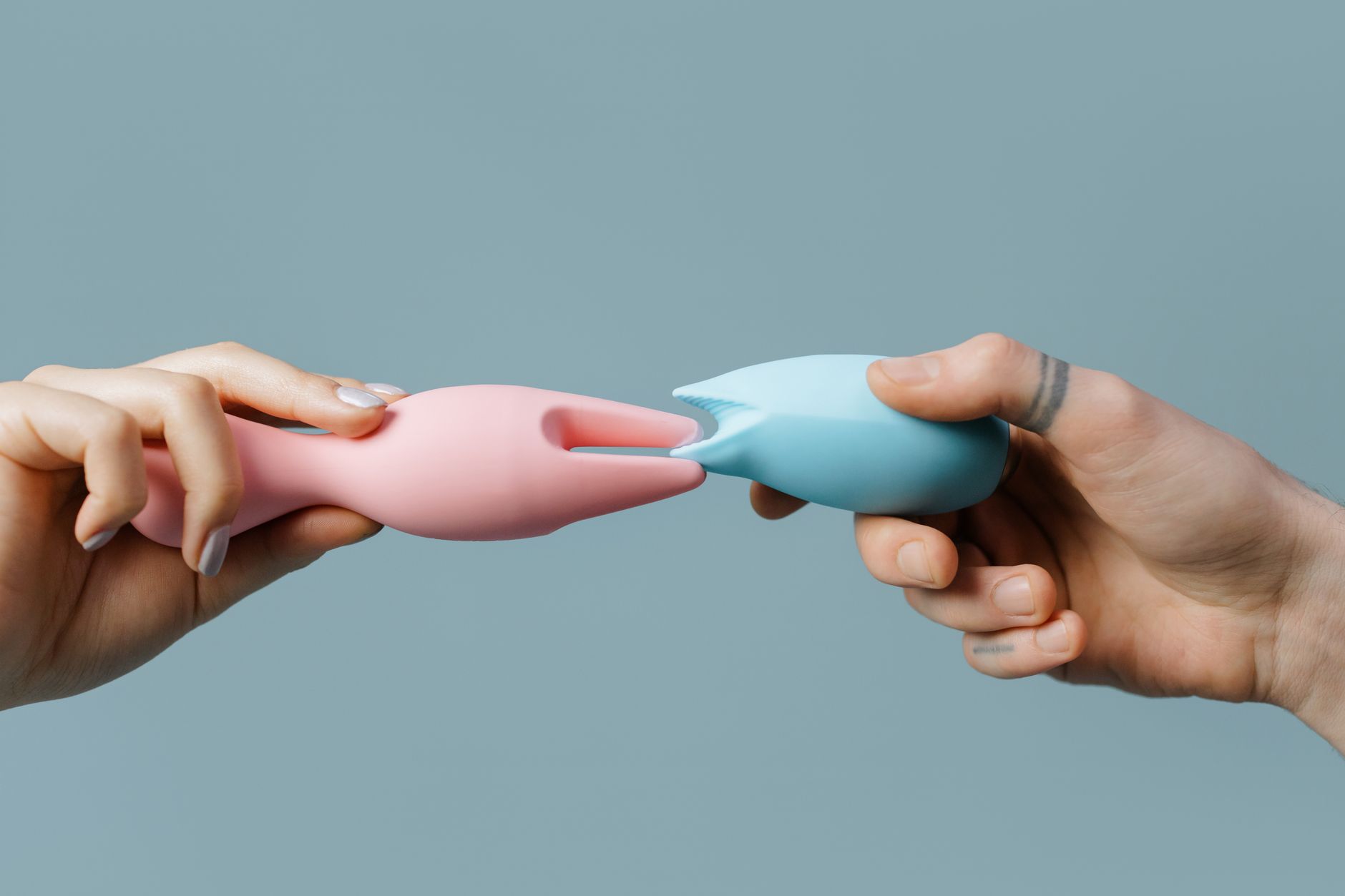
Photo by cottonbro studio on Pexels
The deeper issue: when it's not just timing
Sometimes "foreplay gets skipped" is really code for "my partner doesn't prioritize my pleasure." A vibrator helps with the former. The latter is a relationship conversation, not a pleasure tool conversation.
If this is a pattern—if your partner consistently dismisses your needs, rushes sex, or acts annoyed when you need time—a lemon vibrator isn't the solution. It's a bandage. You might benefit from talking to a couples' therapist about why pleasure gets deprioritized. That's worth addressing directly.
But if it's a mismatch of arousal timelines (common, normal, fixable), then yes. A clitoral vibrator is a practical, effective bridge.
Why lemon suction vibrators work particularly well here
The suction mechanism on a lemon clitoral vibrator is gentler than traditional vibration, especially when you're just beginning arousal. It doesn't require the same kind of build-up pressure that a standard vibrator does. You can start softly and let sensation unfold. The pattern changes also mean you're not locked into one type of stimulation—you can shift as your arousal evolves.
For people who find traditional vibrators overstimulating or who need more finesse during the ramp-up phase, this makes a real difference. You get faster arousal without sacrifice.
Making this work long-term
The vibrator is the tool. The real work is the permission: permission to take the time you need, permission to use something that helps you, and permission to expect your pleasure to matter as much as the sex itself.
If you're using a lemon vibrator because foreplay is constantly skipped, that's valid. You're solving a real problem. But also keep noticing: does the conversation shift over time? Do you find your partner more engaged when they understand what you're doing and why? Does the resentment ease?
Those changes matter more than the vibrator. The vibrator just gives you breathing room while the rest gets figured out.
FAQ: Foreplay, vibrators, and timing
What if my partner feels threatened that I use a vibrator?
Threatened usually means they're interpreting it as "you're not enough." That's worth addressing directly. Try: "This helps me get there faster so I can actually enjoy what we do together. It's not about you, it's about my body and what it needs." Some partners warm up when they understand it as collaboration rather than replacement. Others need time. If they won't budge, that's information too.
Can I use a lemon vibrator during sex with a partner?
Absolutely. Many people use clitoral vibrators during penetration. Start with lower patterns and explore what feels good. Some partners enjoy holding it for you; others prefer you take the lead. Communication makes all the difference.
How long does it take to reach arousal with a lemon vibrator?
Typically 10-15 minutes for a noticeable shift in arousal, 15-25 minutes for fuller readiness. Your timeline might vary based on stress, medication, hormones, and how turned on you were to begin with. Pay attention to your own pattern rather than racing a clock.
Is using a vibrator "cheating" or avoiding real foreplay?
No. It's engaging with your own body. Real foreplay involves responsiveness, connection, and presence—not arbitrary duration. If a vibrator lets you show up more fully to sex, that's healthier than forcing your body to cooperate on someone else's timeline.
What if I need a vibrator every time we have sex?
Some people do. That's fine. It's not a failure of your body or your relationship. It's information about what helps you access pleasure. The goal is for both partners to feel satisfied—not for anyone to achieve arbitrary spontaneity at the cost of actual connection.
How do I introduce this without making things weird?
Don't treat it like a big reveal. Mention it the same way you'd mention wanting to try a new position: as a thing you want to explore. "I've been thinking about using my vibrator during sex, want to try that this week?" Casual, direct, consensual. Most partners either say yes or ask questions. Very few say no if you're matter-of-fact about it.