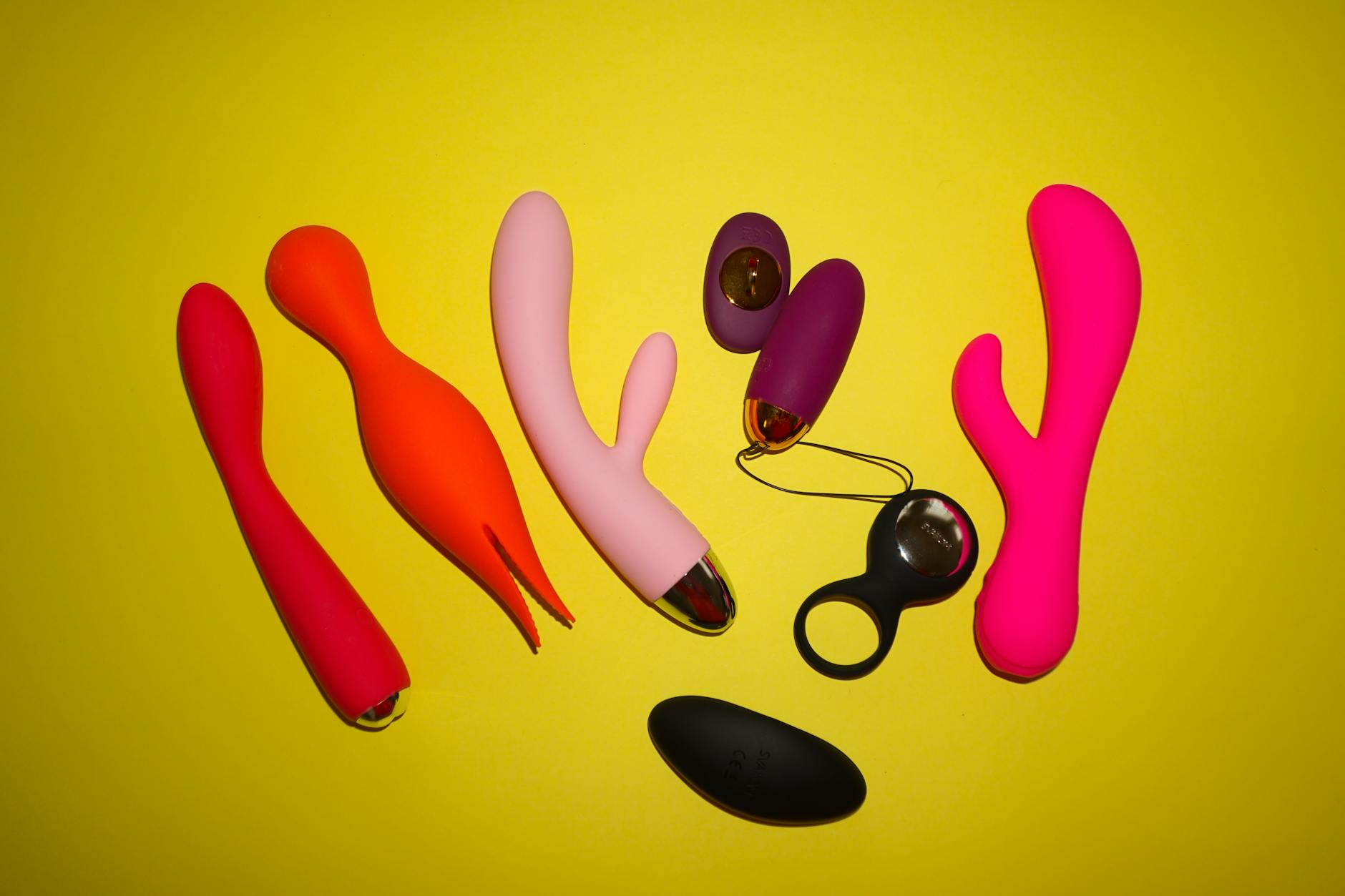
How to Use a Lem Vibrator When You're Single and Rebuilding Confidence
The part of starting over nobody talks about: reconnecting with your own pleasure, learning what you actually want, and why solo exploration might be the most important relationship you rebuild first.
You're single again. Maybe by choice, maybe not. Either way, your body feels like someone else's. You've spent years calibrating your pleasure around a partner's rhythm, expectations, or mood. Now there's space, and the space feels less like freedom and more like emptiness. The thought of touching yourself might bring up shame, weirdness, disconnection, or just... nothing.
Here's what I see in my practice over and over: people who rush back into partnered sex before they've rebuilt their solo pleasure architecture almost always repeat the same patterns. They abandon themselves again. They prioritize their new partner's comfort over their own sensation. They lose track of what actually feels good to them.
Solo exploration isn't selfish. It's the baseline. It's the research phase where you get to figure out, without an audience or an expectation, what you actually want your body to feel. It's the part where you get to say no without negotiating, and yes without explaining.
Let me be clear about something: using a lemon vibrator or any clitoral vibrator won't automatically rebuild your confidence. But it's the perfect tool for the work you're already doing.
Start with permission. Tell yourself out loud if it helps: "This is for me. My pleasure matters. This is not weird." Say it even if you don't believe it yet. Belief follows action in this case.
Next, set a small boundary that has nothing to do with the vibrator. Maybe it's telling a friend you can't hang out because you need alone time. Maybe it's not responding to a text immediately. Maybe it's ordering exactly what you want for dinner without checking if anyone else likes it. Boundary-setting is just practice for the bigger conversation you're having with your own body: I matter here.
The Lem vibrator is designed with air-suction technology, which feels fundamentally different from traditional vibrators. Instead of a buzzing pressure that you have to accommodate, suction creates a gentler, more responsive sensation that feels closer to touch. For someone who's been disconnected from their body, that matters.
When you've spent years performing pleasure or suppressing it, direct vibration can feel too intense or even aversive. Suction is easier to stay present with. It's easier to notice what you actually feel instead of what you think you should feel.
You need privacy and time. Block out 20-30 minutes, not five. Put your phone in another room or actually silence it (not just muted). Lock the door if you can. Light a candle if that helps. Play music if silence feels heavy. The goal is to signal to your nervous system: "This is a safe, bounded time for me."
Use lube. Water-based lube. Even if you think you don't need it, you do. Lube isn't a sign of a problem. It's a sign of respect for your tissue and your experience. It makes everything feel better, and it removes friction (both physical and mental) that can pull you out of sensation.
Don't use the vibrator yet. Spend the first 10 minutes just touching yourself. Use your fingers. Notice pressure, temperature, texture. Go slowly. This is about reconnection, not reaching an endpoint.
After 10 minutes, pick up the Lem and start on the lowest setting. Don't aim for the clitoris immediately. Let the suction travel around the external area. Notice what feels good. Where does sensation live in your body right now? It might not be where you expect.
Stay with what feels good. You're not racing toward an orgasm. You're gathering data about your own pleasure. If nothing feels amazing, that's fine. You're building the ability to notice sensation again, and that's the real work.
Stop when you want to stop, not when you think you should finish. This is the opposite of every partnered sexual experience where you're managing someone else's timeline.
Once you've done this a few times, you can start to notice patterns. Do you prefer a certain setting? A certain approach? Do you like warmth? Do you like pressure before suction? These aren't small questions. These are the answers to "What do I actually want?"
Try different settings. The Lem has multiple intensity levels. Experiment like you're playing, not performing. There's no correct answer. Your pleasure isn't a test you can fail.
If you feel numbness or disconnection, that's often about your nervous system, not your body. You might be speeding up, anticipating a result, holding your breath. Slow down. Breathe. Notice where your attention actually is. Come back to sensation instead of outcome.
If shame shows up, it's because you've internalized a message that your solo pleasure isn't legitimate. It is. Full stop.
If numbness shows up, it's usually because your nervous system is in a protective state. You've been hurt or abandoned or controlled, and the body knows it. Numbness isn't permanent. It's a signal that you need to go slower, create more safety, maybe talk to a therapist about the relationship context.
Once you know what you like, you've got information to share. You know your own pleasure baseline. You can say "I like this setting," "I want more time," "That intensity is too much." You can ask for what you want instead of managing someone else's performance.
You can also say no. You can say "Not today," "I want to explore solo first," "I'm not ready." You get to decide.
The person worth partnering with is someone who's interested in your actual pleasure, not just the fact that you have a vibrator. If they're threatened by it or dismissive of it, that tells you something important about whether they respect your autonomy. Pay attention to that signal.
Rebonding with your solo pleasure isn't a phase. It's a practice. When you're single and healing from a breakup, this is your anchor. It reminds you that your pleasure exists independent of anyone else's interest in it. That's not a small thing. That's freedom.
If you find that shame or numbness is stubborn, a sex-positive therapist is worth the investment. You deserve to rebuild this part of yourself with support.
There's no timeline. Some people reconnect in weeks. Others take months. It depends on how long the relationship was, how you left it, and what your relationship to shame looks like. Be patient with yourself. This isn't about speed. It's about presence. If you're checking in with your body and noticing sensation, you're doing it right, even if "right" feels slow.
Completely normal. Guilt about solo pleasure is culturally baked in, especially if you grew up in certain religious or family contexts. That guilt isn't truth. It's just noise. Notice it, acknowledge it ("There's the guilt"), and keep going anyway. The guilt usually softens as you prove to yourself that solo pleasure is a form of self-respect, not selfishness.
Then you're exactly where you should be. You're rebuilding the ability to feel sensation without rushing toward an outcome. Orgasm is not the goal right now. Presence is the goal. Connection is the goal. Orgasm will likely follow, but only if you stop grading yourself on whether it happens. Relax your expectations. Notice what does feel good. Let that be enough.
No. But here's the real answer: if you know how to orgasm with a lemon vibrator, you have information about your own body that makes partnered sex better, not worse. You can show your partner what works. You're not dependent on them to figure out your own pleasure. That's actually the opposite of what kills desire in long-term partnerships.
If you're becoming intimate, yes. You get to share what you like, what you need, what you want. "I use a vibrator solo and I love it" is not a confession. It's information. A partner worth having will think it's hot. If they're weird about it, that tells you something important about whether they respect your autonomy. Trust that signal.
Then you're doing both things at once, which is hard. That's okay. Grief and pleasure can coexist. You might have a moment of solo exploration and then feel sad about the relationship ending. That's not failure. That's just the reality of starting over. If the grief is heavy enough that you can't access any pleasure, consider talking to a therapist before pushing this work. There's no rush. Your body will be ready when you are.